INTRODUCING OUR Keynote Speakers
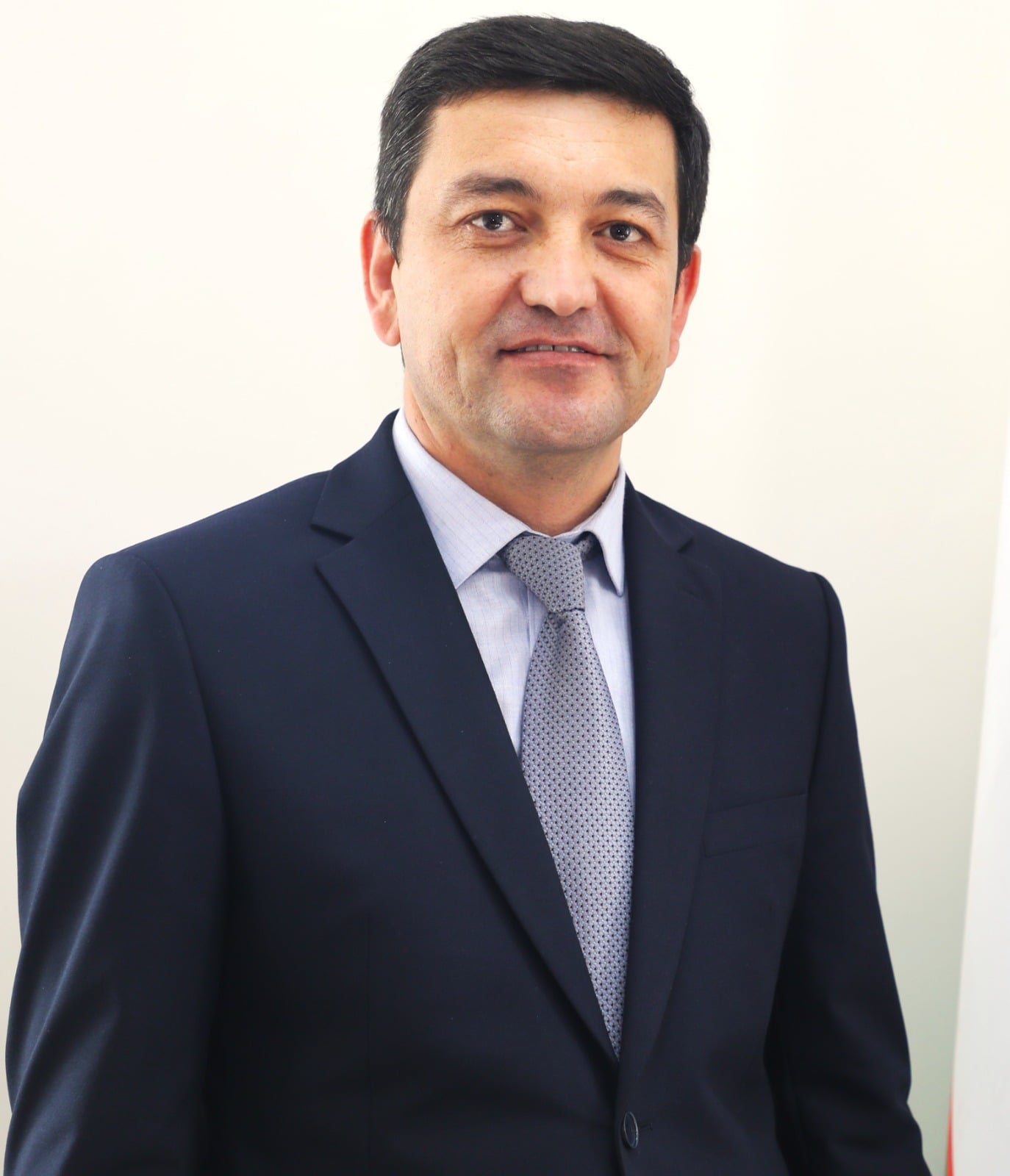
Assoc. Prof. Zavkiddin Mirtoshev, Ph.D.
Department of Nuclear Physics and Astronomy, Samarkand State University, Uzbekistan.
Assoc. Prof. Zavkiddin Mirtoshev, Ph.D., from the Department of Nuclear Physics and Astronomy, Samarkand State University, Uzbekistan, will present his research on “CME-Driven High-Frequency Type II Radio Burst: Observation from CALLISTO Uzbekistan.” His presentation will highlight observational studies of solar radio bursts associated with coronal mass ejections (CMEs), utilizing the CALLISTO network in Uzbekistan. This work gives useful insights into space weather phenomena, radio astronomy instrumentation, and the analysis of high-frequency solar emissions, contributing to a deeper understanding of solar-terrestrial interactions.
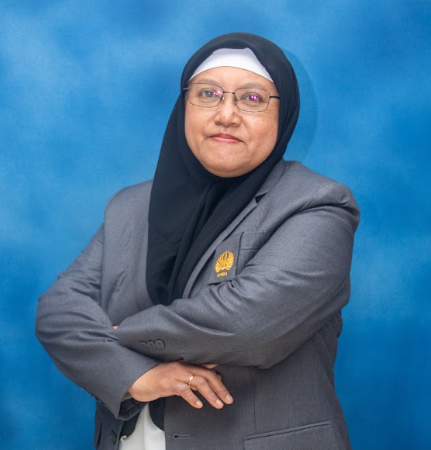
Assoc. Prof. Dr. Hidayah binti Mohd. Fadzil
Department of Mathematics and Science Education, University of Malaya, Malaysia
Assoc. Prof. Dr. Hidayah binti Mohd. Fadzil from the Department of Mathematics and Science Education, University of Malaya, Malaysia, will deliver a keynote address on STEM integration from a scientific perspective. Her presentation will highlight the role of authentic scientific practices and interdisciplinary approaches in advancing the application of STEM across various domains. The presentation will emphasize how scientific thinking, analytical methods, and cross-disciplinary integration contribute to a deeper understanding of physical phenomena and their real-world applications.
Dr. Abdurro’uf
Department of Astronomy, Indiana University, USA
Dr. Abdurro’uf from the Department of Astronomy, Indiana University, USA, will present on topics in astrophysics, focusing on contemporary research and developments in the field. His talk will cover the analysis of astronomical data, modeling of cosmic phenomena, and recent discoveries that advance our understanding of the universe. By using both observation and computer simulations, his presentation will give attendees a look into current astrophysics research and its wider impact on science.