The International Seminar on Physics and its Applications (ISoPA) 2026, the 3rd edition of the seminar, is a continuation and transformation of the Seminar Nasional Fisika Unesa (SNF Unesa), an annual academic forum hosted by the Department of Physics, Faculty of Mathematics and Natural Sciences, Universitas Negeri Surabaya.
Objective
The organization of ISOPA 2026 is driven by a strong commitment to advancing the frontiers of physics and its applications through meaningful global engagement and interdisciplinary collaboration. This conference aims to provide a dynamic platform for the exchange of ideas, innovative approaches, and the most recent research findings across various domains of physics, enabling participants to share insights and foster intellectual dialogue. In addition, ISOPA 2026 seeks to strengthen international networks by bringing together scientists, researchers, educators, and academics from diverse countries and institutional backgrounds, thereby encouraging collaborative research and knowledge co-creation. The conference also seeks to identify and critically examine emerging challenges in the development of physics and its applications, particularly in achieving a sustainable and resilient future. Furthermore, ISOPA 2026 is intended to support and inspire the development of physics-based, cutting-edge technologies and innovations that are not only scientifically robust but also socially relevant, addressing pressing global issues and contributing to the well-being of society at large.
Publication
We are pleased to inform prospective authors that ISOPA 2026 has officially established a publication partnership with the Journal of Physics: Conference Series (JPCS), indexed by Scopus. Through this collaboration, papers that align with the conference scope, meet international academic standards, and successfully pass the peer-review process will be recommended for publication in the JPCS 2026 proceedings. Therefore, we strongly encourage researchers, academics, and practitioners to submit their best work to ISOPA 2026 as a contribution to the advancement of physics and applied physics research at the global level. Further information regarding templates, submission procedures, and publication stages will be announced through the official ISOPA 2026 channels.
Department of Nuclear Physics and Astronomy, Samarkand State University, Uzbekistan.
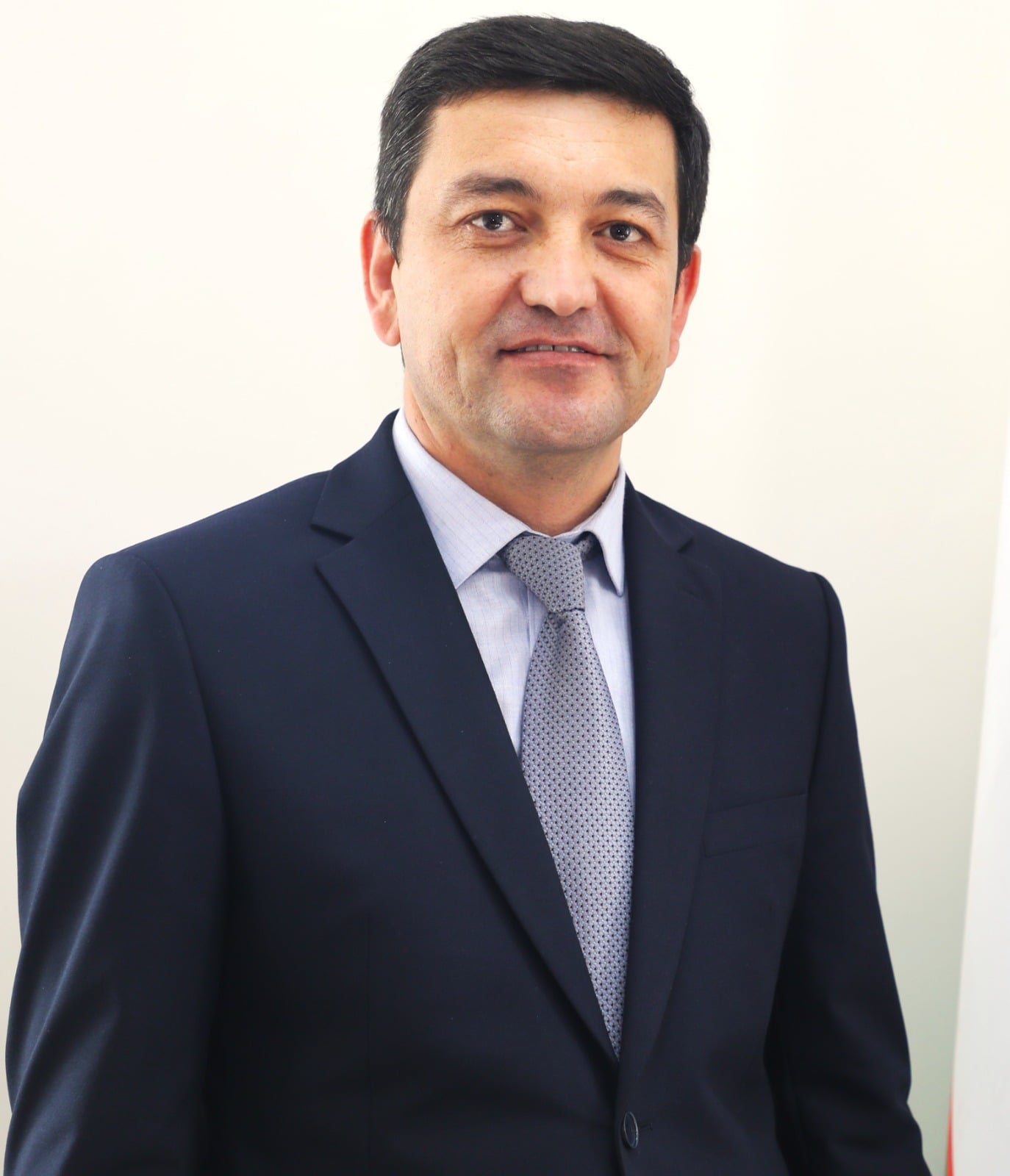
[Assoc. Prof. Zavkiddin Mirtoshev, Ph.D., from the Department of Nuclear Physics and Astronomy, Samarkand State University, Uzbekistan, will present his research on “CME-Driven High-Frequency Type II Radio Burst: Observation from CALLISTO Uzbekistan.” His presentation will highlight observational studies of solar radio bursts associated with coronal mass ejections (CMEs), utilizing the CALLISTO network in Uzbekistan. This work provides valuable insights into space weather phenomena, radio astronomy instrumentation, and the analysis of high-frequency solar emissions, contributing to a deeper understanding of solar-terrestrial interactions.
Department of Mathematics and Science Education, University of Malaya, Malaysia

Department of Astronomy, Indiana University, USA

Department of Physics, Universitas Negeri Surabaya, Indonesia
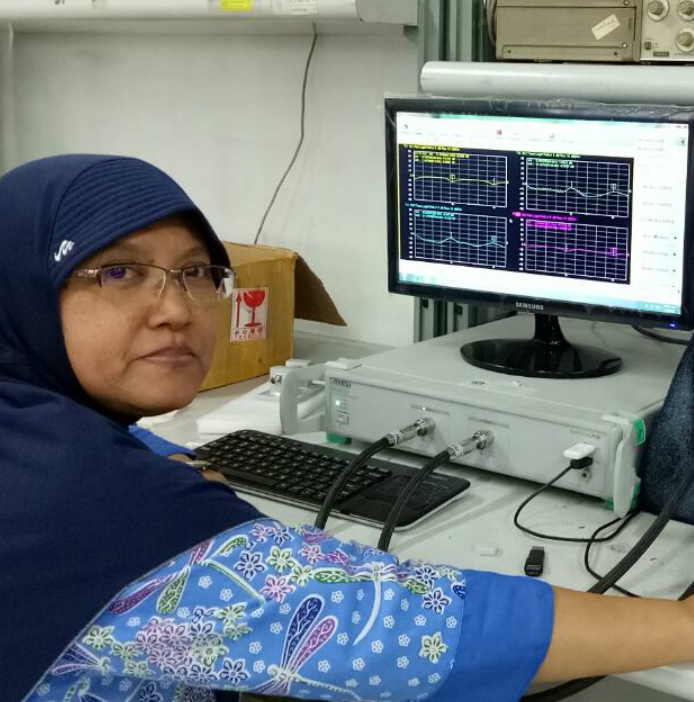


Department of Physics Education, Universitas Bengkulu, Indonesia
Universitas Pembangunan Nasional “Veteran”, Indonesia
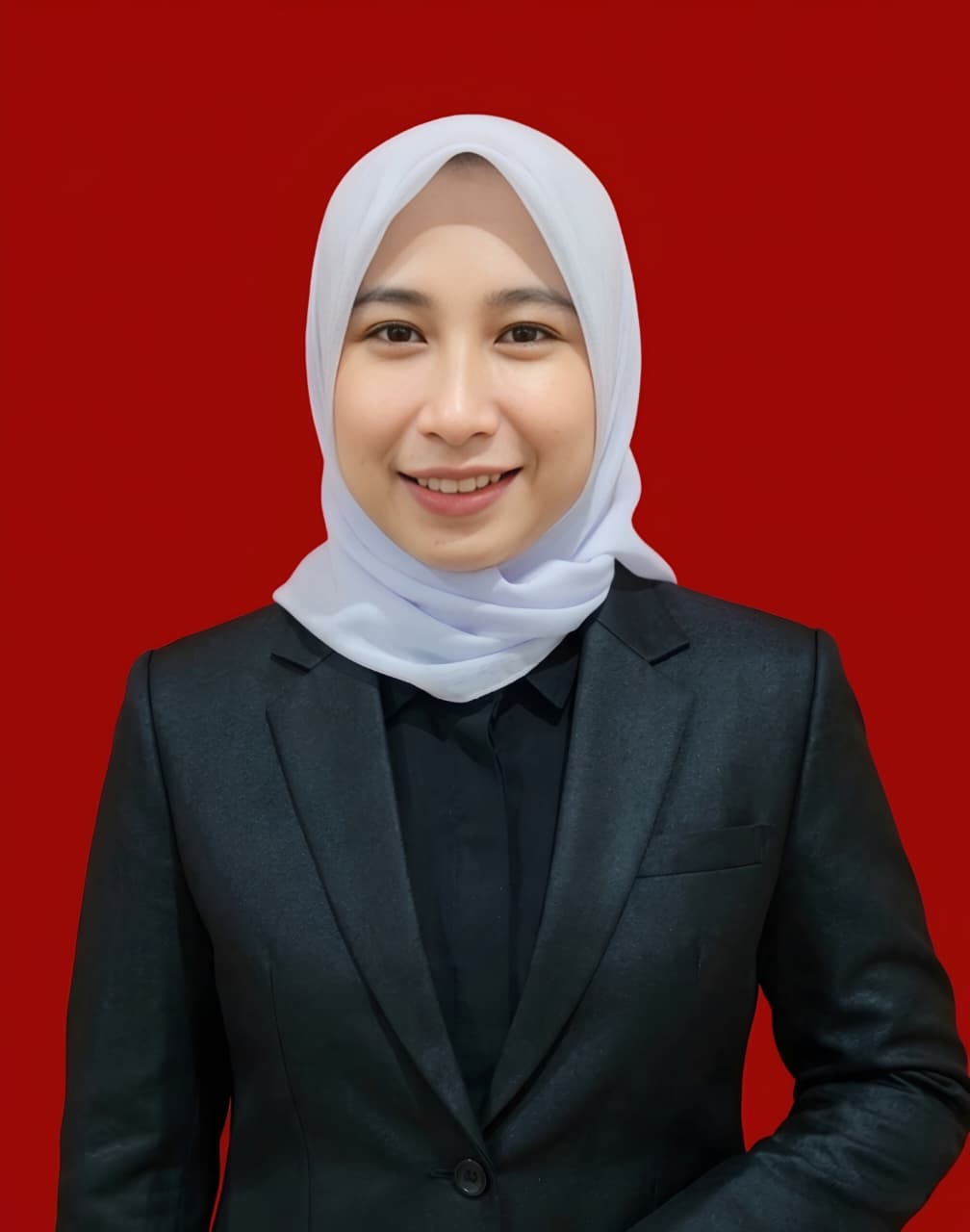
Universitas Islam Negeri Mataram, Indonesia

The conference schedule is meticulously crafted to feature insightful keynote sessions, engaging panel discussions, and interactive workshops. This structure ensures a well-rounded and enriching experience for all participants throughout the event.